The Problem: Low Conversion Rates
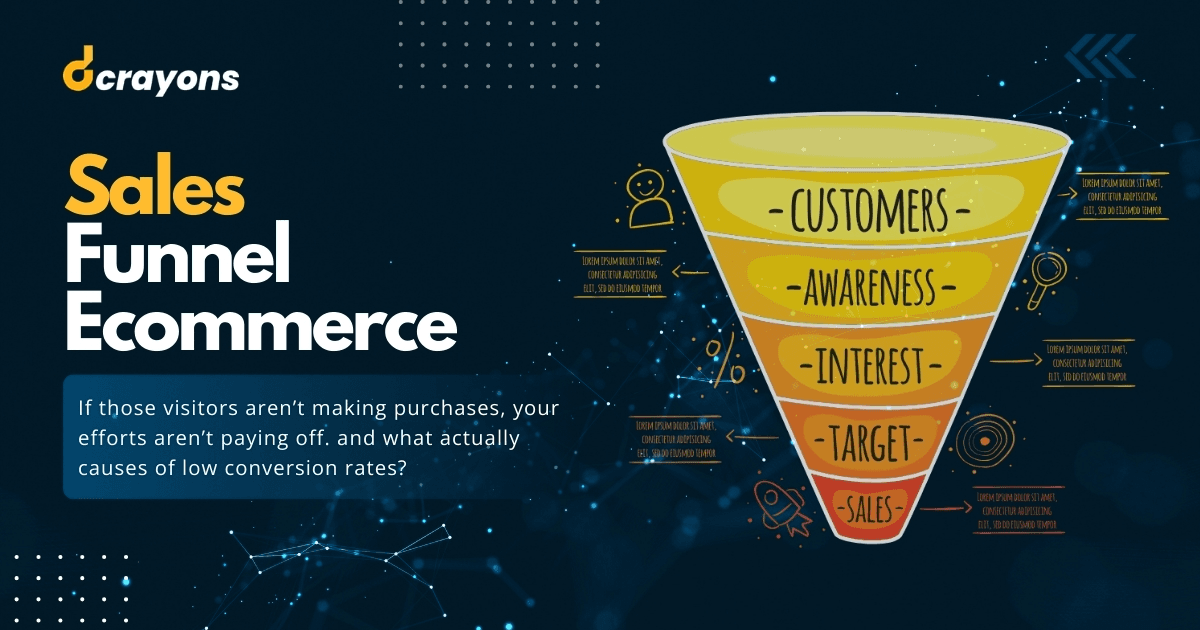
Most online sellers struggle with converting visitors into paying customers. You might be getting plenty of traffic to your website, but if those visitors aren't making purchases, your efforts aren't paying off. What actually causes low conversion rates?
- Lack of user engagement: Visitors come to your site, but they don't find your products interesting enough to stay or explore.
- Weak incentives: Visitors see your products but have no strong reason to buy. They think, "Why should I buy this now?"
- Poor follow up: After people visit once, they don't hear from you again. Without reminders, they forget about your site and don't come back.
What is the Solution?
Your business needs a well-designed sales funnel to address these issues by guiding visitors through a series of steps, each one designed to increase interest and encourage a purchase. Here's a simple framework for creating a successful sales funnel for your merchandise website.
Step 1: Advertisements on Different Platforms
The first step is driving traffic to your website using a combination of Facebook Ads, Google Ads, Pinterest, and other platforms. Setting the right ad budget is a topic in itself; we'll cover that separately.
Facebook Ads
- Targeting audience segments: Facebook's detailed targeting options let you reach different audience segments based on demographics, interests, behaviors, and custom audiences (like website visitors or email subscribers). Create multiple ad sets to test different segments and messages.
- Ad formats: Use carousel ads (showcasing multiple products), single image or video ads, or collection ads (curated collections of your merchandise) to engage users and drive clicks to your website.
Google Ads
- Search Campaigns: Set up Google Search campaigns to capture users actively searching for products like yours. Use relevant keywords so your ads appear when potential customers are ready to buy.
- Shopping Campaigns: If you sell physical products, consider Google Shopping ads. They display directly in search results with an image, price, and store name, making it easier for users to compare and purchase.
- Promoted Pins: Create visually appealing Pins that showcase your merchandise. Young shoppers often discover trends on Pinterest before purchasing on Amazon or Myntra. Use Pinterest's targeting options to reach users by interests, keywords, demographics, and behaviors, and link directly to your site.
- Rich Pins: Add details like pricing, availability, and direct links to give Pinterest users a richer shopping experience.
Other Advertising Platforms
- Instagram Ads: Showcase merchandise through photo and video ads. UGC-style videos are especially popular today and drive organic traffic plus strong user relationships.
- TikTok Ads: Banned in some markets but still a fast-growing platform for engaging short-form video ads. Target by interests, demographics, and behaviors to drive traffic to your website.
Step 2: Offer a Lead Magnet
After visitors click your ads, send them to a lead magnet landing page. Offer something valuable in exchange for an email address or phone number:
- A list of the top 10 merchandise designs
- A 10% discount coupon or a buy-one-get-one offer
Step 3: Thank You Page
After sign-up, send users to a thank you page featuring:
- Video testimonials from happy customers to build trust
- A clear call-to-action button encouraging them to browse all your merchandise
Step 4: Retargeting Ads
If users don't sign up, use retargeting ads to remind them about your offer. Studies show retargeting can deliver up to 40% more conversion than fresh prospecting, since these are warmer leads.
Step 5: Shop Merchandise Store
Visitors who click the CTA on the thank you page land on your shop page. Use analytics to understand user behavior and surface the products they care about most.
Step 6: Add to Cart
When visitors add items to their cart they're on the path to purchase but still need to convert. If they leave without buying, use retargeting ads to encourage them to complete their order.
Step 7: Checkout
When visitors proceed to checkout, they either complete the purchase or abandon the cart. For abandoned carts, send email or message reminders with an incentive. For completed orders, redirect to a thank you page with a social share option.
Step 8: Post-Purchase Follow-Up
Customer loyalty matters. Follow up with:
- 3 post-purchase emails: Request testimonials and encourage social sharing of their experience.
Step 9: Follow-Up for Non-Purchasers
For those who signed up but didn't buy:
- 3 follow-up emails: Remind them about your merchandise and offer additional incentives.
Additional Steps
Ensure your funnel has a strong foundation
- A well-designed landing page
- A clear, engaging confirmation page
- An informative service landing page
- A simple 2-step opt-in box
- An inviting booking page
- A heartfelt thank you page
Follow-Up
Effective follow-up is where you convert hesitant users:
- Sending follow-up emails highlighting benefits and how-to guides
- Using retargeting ads to remind potential customers about offers
Power Your Funnel
- Consistent inbound traffic from ads
- Regular retargeting to keep visitors engaged
- A welcoming thank you page to conclude the purchase
Key Takeaways
- Install tracking: Monitor user behavior to understand the journey and spot what's working.
- Retargeting: Use retargeting ads to bring visitors back.
- Email Marketing: Follow up with emails to convert visitors and encourage repeat purchases.
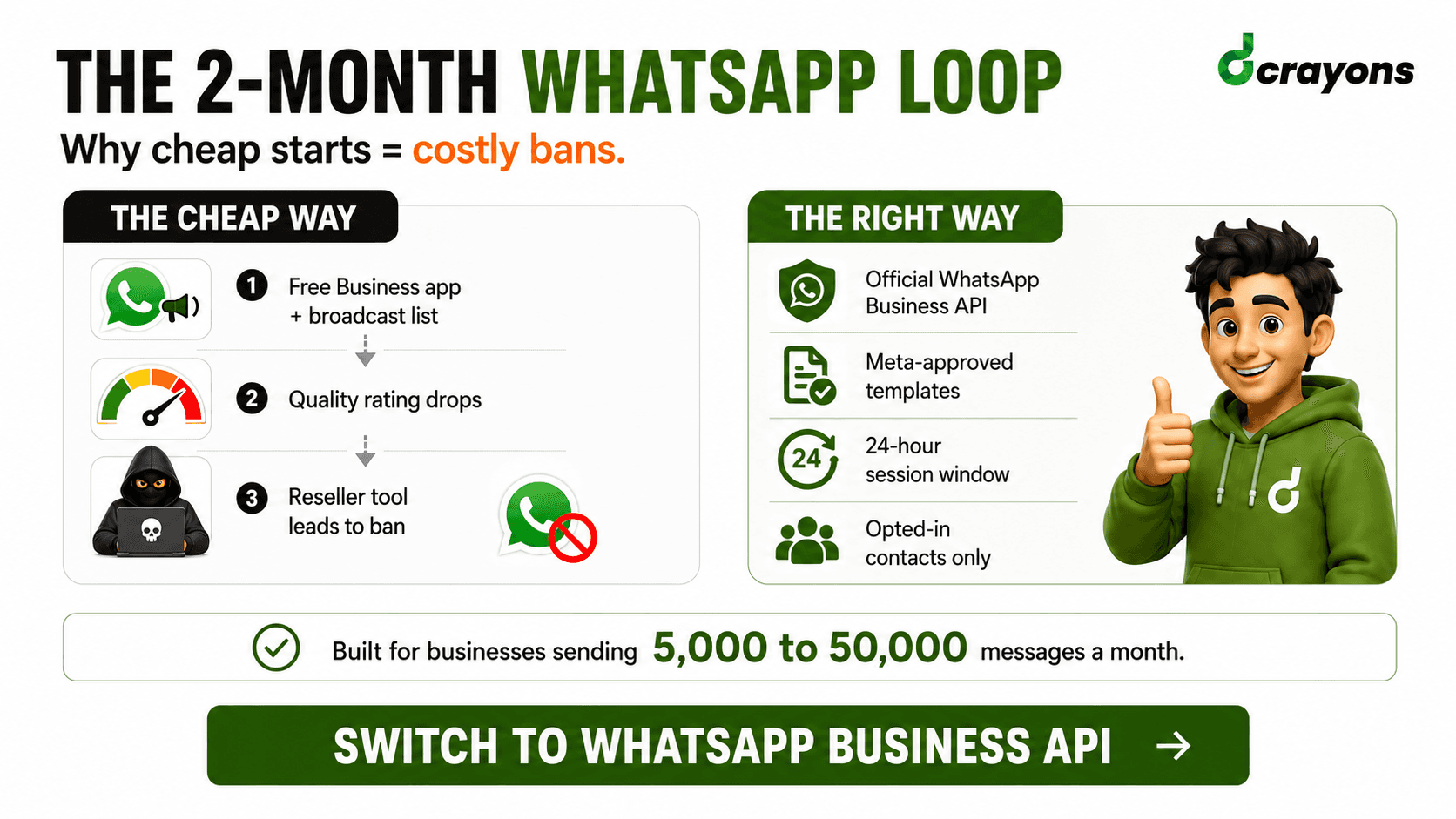
- WhatsApp Marketing: Users interact with WhatsApp messages far more than other platforms. Verify your business on Meta and use the WhatsApp API to message customers. Conversion rates on WhatsApp routinely outperform other channels.
By following these steps, you can create a successful sales funnel for your merchandise website and turn visitors into loyal customers. If you prefer expert help, Dcrayons can build a sales funnel for you. We work through each step and check every detail to make sure it converts.