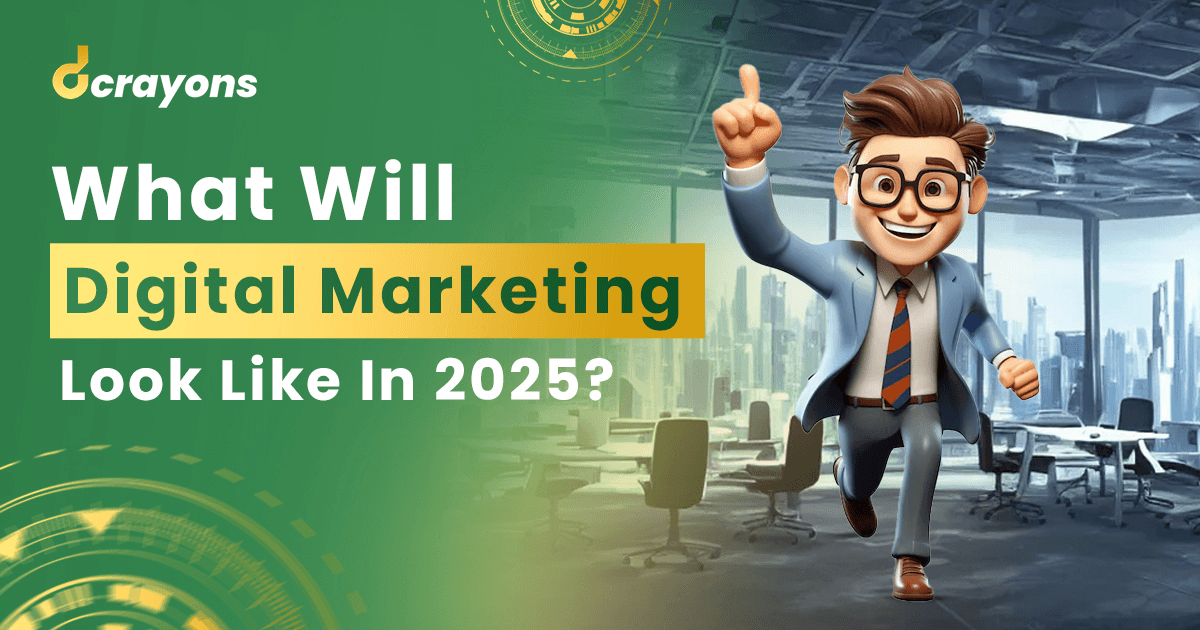
It's the beginning of a new year, but is it really necessary to know what the future of marketing in 2025 holds? Yes, because marketing evolves quicker than trends. The future of marketing is set to change dramatically. Traditional strategies are being replaced by creative, immersive experiences that demand a full overhaul of your approach. With all the new trends, one thing is certain: mass media is receding and hyper-personalisation is becoming the standard.
So Where Are We Heading?
Let's start with what's happening now.
Changing Consumer Expectations
Today's consumers have high expectations: they want authenticity, shared values, and meaningful brand experiences that speak to them as individuals. At the same time, they are becoming more suspicious and confused by the endless stream of promotional material that hits their devices. In this context, traditional interruptive marketing strategies such as TV ads and billboards are losing effectiveness.
What Will the Future of Digital Marketing Look Like?
The future of advertising is full of possibilities. We can anticipate it using the rapid currents of technology innovation and shifting consumer behaviour. We are seeing more data-driven, automated, and AI-optimised processes. Hyper-targeted social media marketing, emotionally sophisticated chatbots, and seamlessly tailored recommendations all aim to deliver the right message at the right moment on the right platform.
Rise of the Machines
- AI-powered content production: Save time and resources while creating relevant content for the intended audience.
- Personalised customer experiences: AI recommends products or services based on previous purchases and browsing history.
- Data-driven decision-making: AI determines which marketing channels are most effective for specific audiences and can forecast customer behaviour.
Rise of Immersive Technologies
- Virtual shopping: Try items in a virtual fitting room or visualise furniture in your living room before purchasing.
- Experiential marketing: Attend product launches, concerts, or sporting events virtually from home.
- Personalised learning: Use immersive simulations for skills and hands-on training.
- Improved customer support: Real-time assistance with customer reps seeing exactly what you see.
Voice-Activated Everything
Smart speakers and voice assistants are everywhere. Voice will soon be a primary way we access information, control our homes, and make transactions.
- Content: Use natural language and conversational tones.
- SEO: Optimise for voice search with schema markup and local listings.
- Campaigns: Create voice-friendly ads optimised for spoken questions.
- Accessibility: Ensure content is accessible to all, including those with disabilities.
Is It the End of Interruptions?
Overpowering advertising is on its way out. Contextual and tailored ads that blend seamlessly into the user experience are expected to dominate in 2025.
- Contextual ads: Ads that perfectly complement user behaviour.
- Trustworthy influencer endorsements: Organic promotions by influencers.
- Sponsored content: Educational and entertaining posts that align with brand values.
Ethical and Sustainable Marketing
Consumers will demand greater transparency and ethical practices from brands. Sustainability will be an important differentiator, and marketing strategies must demonstrate genuine commitment to social responsibility.
- Supply chain visibility: Disclose sourcing practices and ethical treatment of workers.
- Environmental footprint: Share information on emissions and waste reduction.
- Social impact: Highlight community contributions and support for social causes.
- Eco-friendly products: Reduce reliance on virgin materials and use renewable resources.
FAQ
What is the future of the digital marketing industry?
The future of digital marketing is all about personalisation, powered by AI and driven by changing consumer behaviours such as voice search and immersive environments.
What is the future of digital marketing in 2030?
AI-powered personalisation, seamless customer experiences, and a commitment to sustainability will drive digital marketing in 2030. Automation, voice search, and video content will play significant roles in engaging viewers.
Will digital marketing be in demand in the future?
Digital marketing will definitely be in demand. The online world is constantly changing, and businesses need specialists to navigate it and reach target customers efficiently.