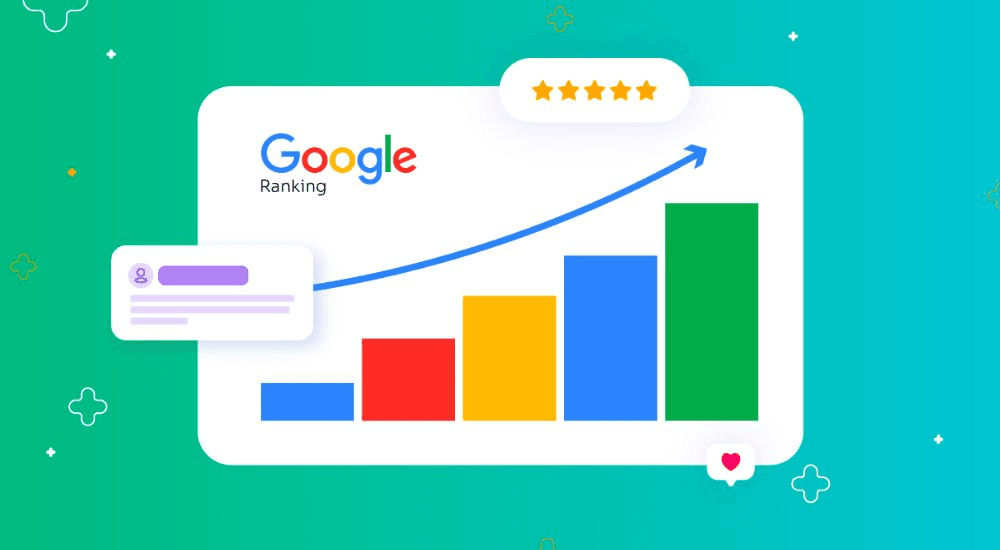
There is a long list of factors that influence your position in Google search. Google even has its own search quality rater guidelines, which are regularly updated and worth reading. With such a big list, it's hard not to lose track of what really moves the needle. Here are the main factors worth most of your attention.
Page Quality
Google itself highlights page quality as a key factor. How do you know if your site can be rated highly?
The Purpose of the Page
Google cares about the growth of the web and the value sites bring to it. Common helpful page purposes include sharing information, sharing media, providing files or software to download, sharing personal perspectives or experience, entertaining, selling products or services in demand, and enabling discussion. Helpful pages get higher ratings. Pages that spread hate, cause harm, or deceive users get the lowest ratings.
E-A-T (Expertise, Authoritativeness, Trustworthiness)
E-A-T is a significant trait for every beneficial page. It includes the expertise of the content creator, the authoritativeness and trustworthiness of the creator, and the site itself. The expertise standard depends on the topic of the page.
Main Content Quality and Quantity
Content quality depends on accuracy, entertainment value, or usefulness. Content also includes the features and functionality of the site, so it's important to test them. Creating great content takes time, effort, expertise, and skill. The quantity of content depends on the purpose of the page.
Site Information and Who is Responsible for the Content
Good pages should have clear, detailed information about the site so users feel comfortable trusting the content.
Site Reputation and Reputation of Who is Responsible for the Content
For strong Google rankings, the site should be well rated on trusted review sites such as Google Reviews.
Website Security
Google is very happy if your site uses HTTPS; it even shows a lock icon in Chrome to indicate the site is secure. HTTPS comes with SSL, which establishes a secure connection between the site and the browser. This is a major trust signal that encourages visitors to register or pay. As HTTPS lifts trust, it also helps you rank higher.
Something Else to Note
Since July 2018, Google displays a "Not secure" warning in Chrome on every site without SSL. If you haven't enabled HTTPS yet, now is the time.
Page Speed
Another important Google ranking factor is your site speed. Since July 2018, mobile page speed has become crucial for mobile search results, as up to 70% of searches come from mobile devices. Google offers tools to improve page speed and test your site on mobile and desktop, with concrete suggestions for faster loads. Better page speed gives you better rankings and a better user experience, so the work is worth it.
SEO Optimisation
Well-optimised SEO leads to better rankings on Google. The main question is how to start with SEO. One of the best ways is keyword research for your site. You'll learn what people search for and how much competition exists, then decide which keywords are best to target. Google's Keyword Planner is a useful tool. Off-site SEO is everything you do to drive traffic from other channels such as links, social media, and social bookmarking. On-site SEO is the optimisation of pages on your own site, including content. Start by adding title tags and meta descriptions with your main keywords, using header tags to structure your content, and writing alt text for images so they can surface in Google Image search and lead users back to your content.
External and Internal Links
Off-site SEO is a powerful way to promote your site by building backlinks. While focusing on external links, many forget about internal linking. Google uses both internal and external links to evaluate site value. If a page has many links pointing to it, Google considers it important and ranks it higher. Internal links also keep visitors on your site longer. External inbound links are valuable, but quality matters; links from low-quality domains can hurt rather than help.
Social Signals
Google doesn't treat Twitter or Facebook signals the same as links from authoritative pages. However, top-ranking pages tend to receive more social shares than others. Social media presence helps you rank higher, but it's important to engage with visitors and make content easy to share. Add visual elements that invite clicks, use hashtags to make posts more discoverable, and understand your audience so you can pick the right platform and message.