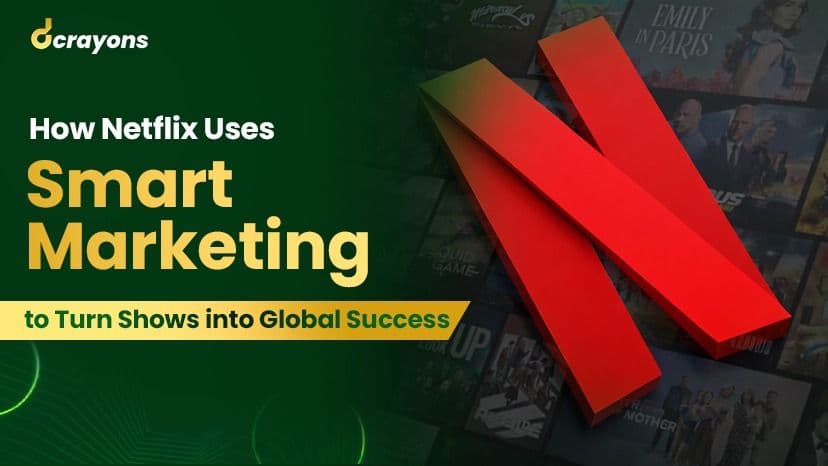
Netflix has evolved from a DVD rental startup into one of the most influential entertainment brands in the world. Today, it is not just a streaming service platform, it is a global pop culture engine that shapes trends, viewing habits, and conversations across continents. The ability of Netflix to turn into a global phenomena comes from a combination of strong storytelling, intelligent marketing execution, and data-led decisions.
The blog explores the complete journey of Netflix, the leaders, its development, and the marketing techniques which allowed the company to reach global domination.
What Is Netflix? Company Overview and Global Presence
Netflix is a subscription based streaming platform that offers movies, TV shows, documentaries, and original content to users globally. Founded in 1997 by Reed Hastings and Marc Randolph, Netflix is headquartered in Los Gatos, California, USA. The company is publicly listed as Netflix, Inc. (NASDAQ: NFLX) and now it has operations in 190+ countries.
Netflix is currently led by Ted Sarandos and Greg Peters, who serve as Co-CEOs, overseeing its global content and business strategy. The company uses its subscription-based streaming service to provide movies and series and original programming to viewers. Netflix generates annual turnover of more than USD 33 billion while maintaining its global presence and business stability as a major entertainment brand.
The Story Behind Netflix: How It Started
Netflix started as a DVD-by-mail company, developed to address a basic customer issue of late fees charged by the traditional rental shops. The movie rentals were made easier as customers could place orders online and get the DVDs through the post.
A major shift happened in 2007, when Netflix introduced its online streaming service, and predicted the future of online entertainment. Another defining moment came in 2013, when Netflix launched the first original program known as House of Cards. This was a shift of Netflix as a distributor to content producer.
How Netflix Became a Global Brand, Not Just a Platform
Netflix branded itself as a story-first brand, as opposed to a technology company. Netflix did not market subscriptions, but rather characters, emotions and moments.
Netflix’s marketing approach centers on one idea:
People remember stories more than platforms.
This approach enabled Netflix to become a part of everyday conversations, making its shows feel culturally relatable as opposed to advertising.
How Netflix Uses Data to Drive Marketing Decisions
Netflix’s marketing success is powered by data, but applied in a human way.
Netflix uses viewer data to personalize:
- Content recommendations
- Thumbnails and artwork
- Trailers and previews
- Promotional messaging
The same show can be displayed in different ways to two users depending on their preferences. This makes content feel relevant which enhances the participation as well as the duration of watch.
Why Personalization Works So Well for Netflix
The personalization assists Netflix in enhancing discovery and retention of viewers. Users explore more and spend more time when they feel that some content is relevant to their interests.
The strategy reduces the need for aggressive promotion since viewers will find and recommend shows that they like automatically.
Localized Marketing: Netflix’s Global Growth Formula
Netflix’s worldwide success is built on local relevance combined with global reach.
Netflix adapts its marketing by:
- Designing territorial posters and trailers
- Using the local languages in social media
- Referencing local culture, humor, and trends
This strategy enabled shows such as Money Heist, Sacred Games, and Squid Game to be successful on a global scale, and still being true to the sources.
Netflix’s Social Media Strategy Explained
Netflix uses social media to start conversations, not run advertisements.
Netflix’s social content is known for:
- Relatable humor and memes
- Platform-native formats
- Timely responses to trends
- A human, conversational tone
Consequently, the content of Netflix posts is frequently distributed as entertainment and not marketing.
How Netflix Turns Shows into Viral Moments
Netflix distinguishes the scenes that are inherently shareable, i.e. the scenes that are emotionally impactful, visually compelling, or culturally familiar.
Viral success often comes from:
- Short videos streamlined into reels and shorts
- Memorable dialogues and characters
- Replicable trends among the audience
Once something is going viral, the interest of new customers to the site spreads automatically.
Content Is Netflix’s Strongest Marketing Tool
Netflix believes that great content markets itself.
Instead of paying massive amounts in the case of traditional marketing, Netflix spends on:
- High-quality storytelling
- Efficient character development.
- Binge-friendly formats
Whenever viewers have an emotional attachment to content, word-of-mouth will be the most significant growth engine.
Influencers and Community-Led Promotion
Netflix collaborates with creators and communities that already have a good audience trust.
Instead of sponsored messages, Netflix gives creators a chance to give authentic responses. This is what makes promotions sound natural, credible, and useful in order to reach niche audiences with shows.
Experiential and Offline Marketing
Netflix tends to go beyond the online marketing to make an actual impression.
Examples include:
- Immersive pop-up experiences
- City-wide billboards and installations
- Public appearances of show-inspired visuals
Such campaigns show cultural releases rather than just digital releases.
Netflix’s Digital Marketing Strategy: How the Brand Dominates Online Platforms
Netflix creates its digital marketing strategy by understanding audience patterns to deliver appropriate content at optimal times through its various online channels. Netflix drives user interaction through its combination of data analysis, social media platforms, personalized content, and specific campaigns for each platform instead of using traditional advertising methods.
Key elements of Netflix’s digital marketing strategy include:
- Personalized content recommendations based on user behaviour
- Platform-specific promotions different for Instagram, YouTube, X, and TikTok
- Search-optimized trailers, thumbnails, and descriptions
- Social media storytelling through memes, clips, and short-form videos
This focused digital marketing strategy helps Netflix increase visibility, improve content discovery, and turn online interactions into long-term subscriptions. without overwhelming audiences with direct promotions.
Netflix’s Business Growth and Market Impact
Netflix generates a turnover of USD 33 billion in annual revenue, supported by a massive global subscriber base.
Its business model focuses on:
- Regular investment of content
- Global accessibility
- Retention of long term subscribers
The collaboration of marketing and content helps Netflix keep growing.
Why Netflix’s Strategy Works Worldwide
The success of Netflix is due to their ability to realize that people don’t connect with algorithms, but emotions.
Through the combination of data, creativity, and knowledge of culture, Netflix can continuously provide content that is intimate and globally aware.
Key Lessons Brands Can Learn from Netflix
Netflix’s success shows that:
- Understanding the audience is essential
- Relevancy is more pertinent than reach.
- Personalization enhances customer loyalty.
- Content quality drives organic growth
These concepts are applicable to any brands of any industry.
Overall Summary
The journey of Netflix from a DVD rental company that became a global entertainment giant highlights the power of smart marketing rooted in storytelling. With regard to the audience preferences, cultural diversity, and focus on quality, Netflix has been rebuilding shows into global success.
For brands aiming to build lasting impact, Netflix offers a clear lesson: When marketing feels meaningful, audiences respond naturally.