Where each rupee goes
- Product cost
- Rs 90
- Commission (22%)
- Rs 55
- GST + TCS
- Rs 13
- Inwarding + returns
- Rs 8
- Your profit
- Rs 84
- Net payout / unitWhat Zepto deposits
- Rs 174
- Effective take rateShare of price the fee stack keeps
- 30.2%
- Max ad spend / orderBreak-even ROAS 3.0
- Rs 84
Healthy: this SKU can absorb ads and promotions and stay profitable on Zepto.
- Ads headroom: up to Rs 84/order on PLA; break-even ROAS 3.0 (judge it on selling price, not the MRP-based dashboard number).
Calculated in your browser. Nothing is sent or stored.
Fees & taxes (optional, pre-filled)
Zepto publishes no public commission rate card: category rates are set with your Zepto category manager during onboarding (brands.zepto.co.in). The percentages here are illustrative estimates, fully editable -- enter your negotiated rate for an accurate figure. Statutory add-ons are official: 18% GST on fees and 0.5% TCS (CBIC, from Jul 2024). Confirm yours in the Zepto seller dashboard. Rates last updated: 2026-07-04.
This tool covers the money side (commission, GST on fees, TCS, inwarding and returns). It does not model GST e-invoicing (IRN) — that is a compliance step, not a fee, so it will not lower your margin, but a missing or invalid IRN can hold up your payout. Keep your e-invoicing set up before you go live.
How to register and start selling on Zepto
From seller account to your first live order
Zepto onboarding is state-wise and document-heavy. Here is the full path, and where each cost enters, so nothing surprises you at settlement.
- Step 1: Create your seller account
Register on the Zepto seller dashboard with your business PAN, GSTIN and bank details. Food and grocery sellers also need a valid FSSAI licence before any listing goes live.
- Step 2: Finish KYC and documents
Upload your GST certificate, PAN, cancelled cheque or bank proof, authorised signatory and brand authorisation. Zepto verifies all of this before activating the account.
- Step 3: Get your catalogue approved
Submit each SKU with title, images, MRP, net weight, category and shelf life. Listings are reviewed for compliance and quality before they can be sold.
- Step 4: Register a place of business per city
Quick commerce is state-wise. Register an Additional Place of Business (APOB), often through a virtual office, for every state whose dark stores you plan to supply.
- Step 5: Send stock to the dark stores
Inward agreed quantities to Zepto warehouses and dark stores. You pay a per-unit inwarding fee, after which stock is live for 10-minute delivery.
- Step 6: Go live and price it right
Set your selling price and go live. Run each SKU through the calculator above first so you know it stays profitable after commission, GST, TCS and returns.

Get your free proposal
Tell us where you are and what you want to achieve. We reply within one business day with a clear plan and a quote.

GROW ON ZEPTO
How to become profitable and grow your sales on Zepto
Six levers that decide whether quick commerce adds profit or quietly drains it.
Price for the full fee stack
Work backwards from net payout, not MRP. Commission, 18% GST on fees, 0.5% TCS, inwarding and returns can take 30 to 45% of your price, so set price and pack size to protect a real margin.
Win the digital shelf
Optimise titles, images and keywords so you surface for the searches that matter. On a 10-minute app, ranking and a clean listing decide the sale in seconds.
Advertise where it pays back
Run sponsored placements on your best-margin SKUs and judge them on true ROAS against selling price, not the dashboard's MRP-based number. Scale what clears break-even.
Manage inventory and shelf life
Match inward quantity to real sell-through. Overstocking short-shelf-life products means removal fees and write-offs; understocking means lost ranking and out-of-stock penalties.
Cut the margin leaks
Track returns, spoilage and low-selling SKUs every week. Delist what loses money, double down on what earns, and reinvest the saved margin into ads and packaging.
Read the data and compound
Use settlement and sales reports to find your profitable core, then expand pack sizes, cities and categories from there. Small measured steps beat launching everything at once.
Zepto growth services we provide
How Dcrayons helps FMCG and D2C brands launch and scale profitably on quick commerce.

Zepto onboarding and listing
Seller account, KYC, APOB across states, and catalogue setup done right so you go live faster without compliance rejections.

Pricing and margin strategy
We model every SKU's net payout after commission, GST, TCS and returns, then set price and pack size to protect real margin.

Quick-commerce ads management
Sponsored placements run on true ROAS, scaled on your best-margin SKUs and cut where they do not clear break-even.

Listing and shelf optimisation
Titles, images and keywords tuned for the 10-minute shelf so you rank and convert where buyers decide in seconds.
D2C and e-commerce brands we have grown
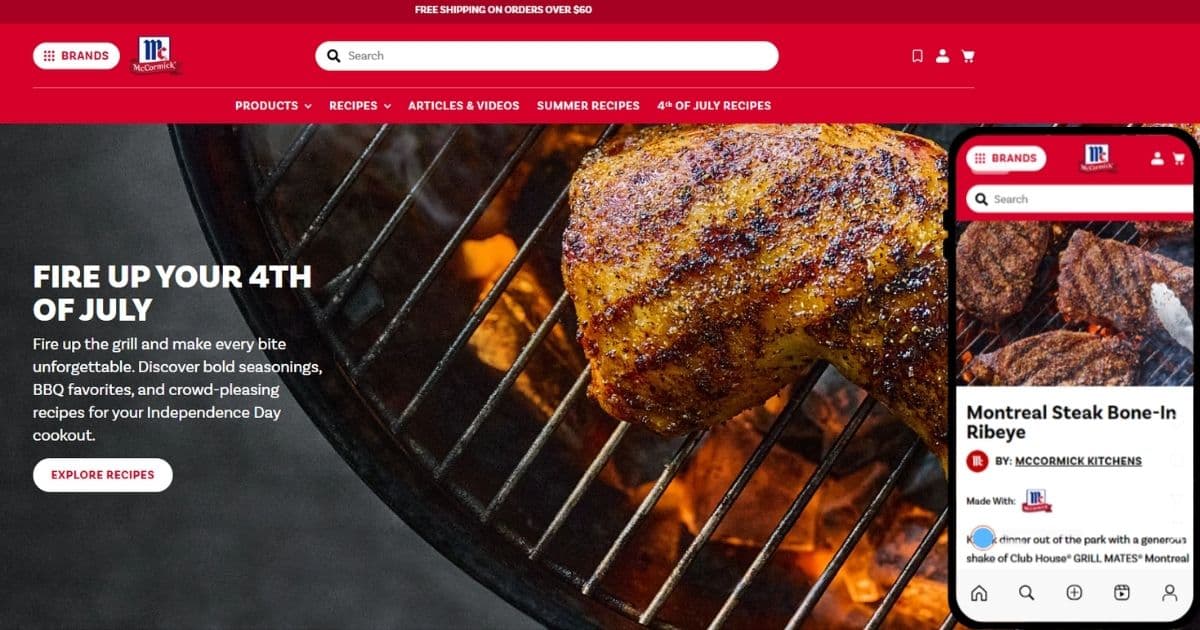
+143%
Speed Improvement
McCormick & Company
Within one sprint cycle, desktop Google PageSpeed Insights score rose from 35 to 85 — a 143% improvement. Mobile score moved from below 40 to 75. C...
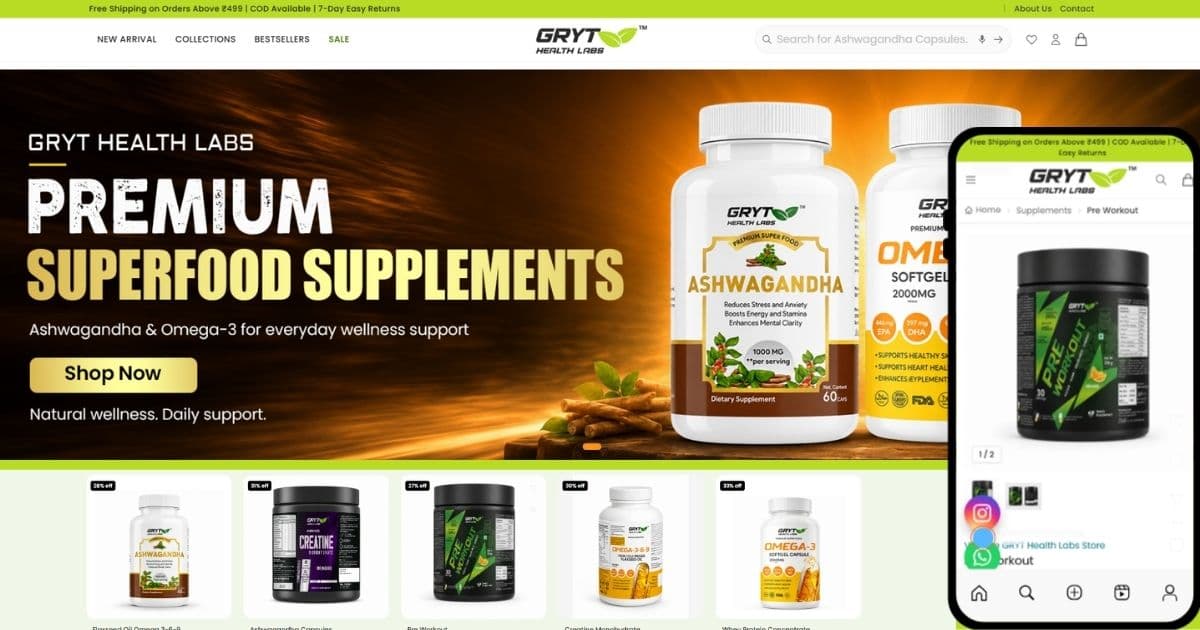
24h
Order dispatch
GRYT Health Labs
The launched site reads as a focused, conversion-first shop rather than a catalogue dump. Because it is a custom Laravel build, the cart, checkout...
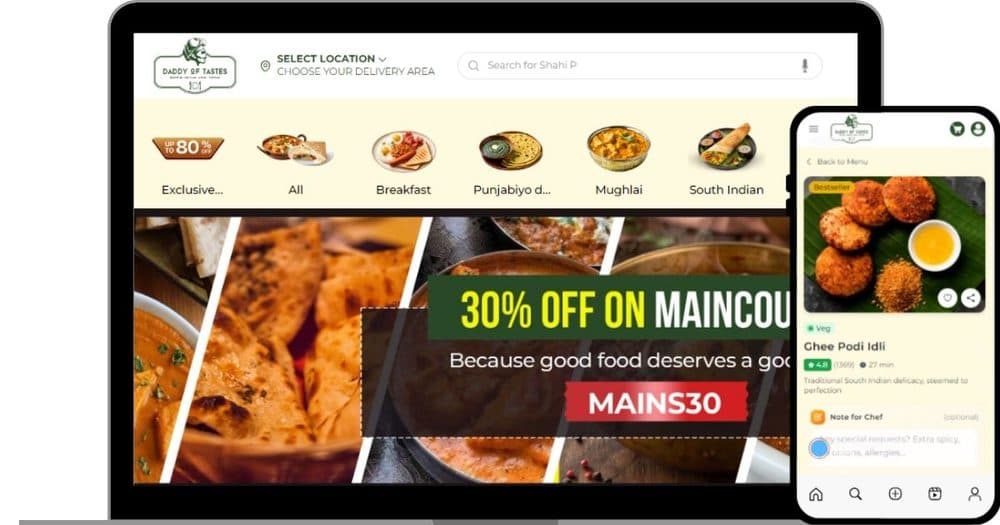
Daddy of Tastes
The launched storefront gives customers a quick path from category to dish detail to cart, with offers and ratings visible where they aid the decis...
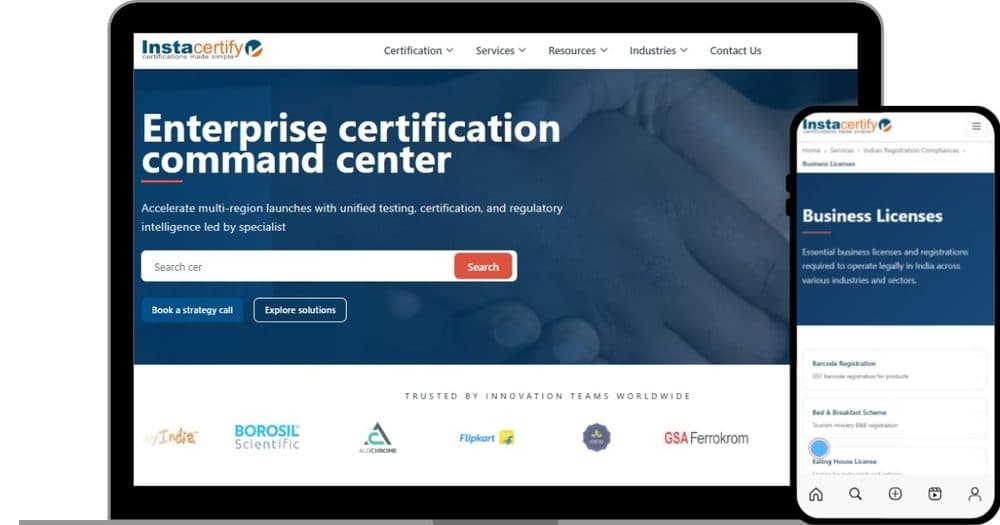
Instacertify
The site reads as a single command center for certification, with search and clear calls to action giving buyers an obvious first step. The card-dr...
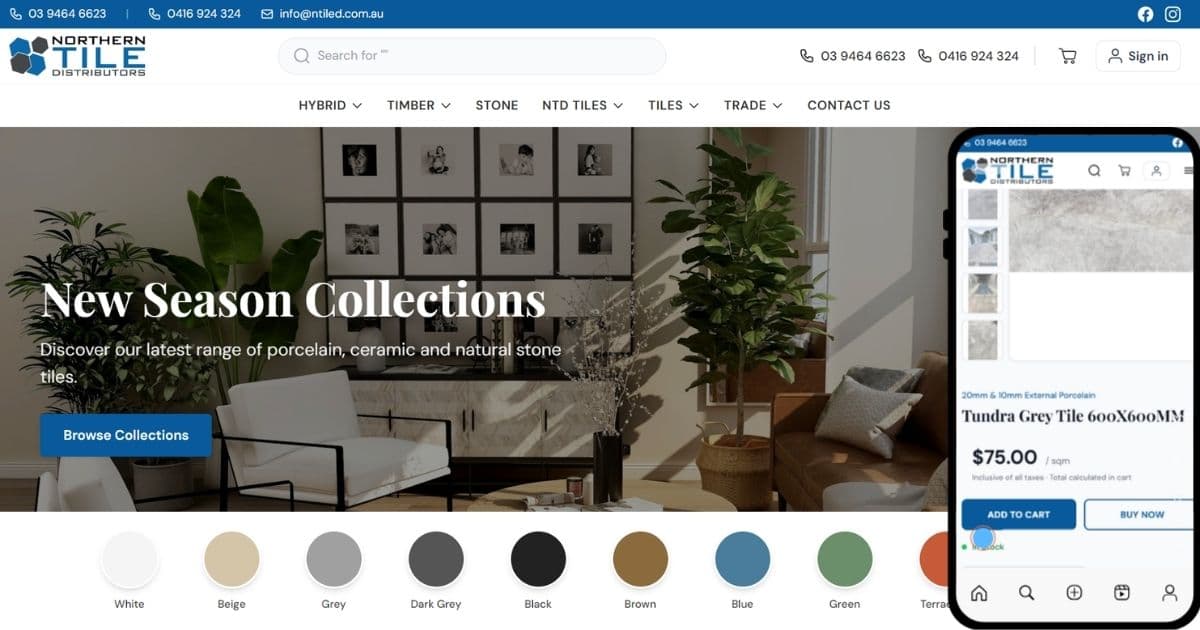
Northern Tile Distributors
The storefront gives Northern Tile Distributors a clean way to present deep tile and timber ranges so builders can scan collections quickly and che...

Raa Logistics
The launched site gives Raa Logistics a clean, professional presence that reads well on both desktop and phones, with the quote request and trackin...
Why Dcrayons

Quick-commerce specialists
We run Blinkit, Zepto, Instamart and BigBasket growth for real brands, so the fee model here matches what your settlements actually look like.

Senior strategist on every account
No junior analysts learning on your budget. The strategist who scopes your quick-commerce plan stays on it.

Margin diagnostic in one business day
Written readout plus a fixed estimate inside 24 hours. Most agencies take a week of discovery; that week is a competitor's head start.

CFO-readable numbers
Weekly cadence and a monthly readout tied to one revenue metric. A numbers report you can hand to your CFO without translation.

Quick commerce is a new shelf. We have been helping brands win it.
Dcrayons runs Blinkit, Zepto, Instamart and BigBasket growth for FMCG and D2C brands: onboarding, pricing, listings and ads under one weekly roadmap. This calculator uses the same unit-economics model our team runs on real client SKUs.
Zepto seller questions, answered
The real fee and growth questions FMCG and D2C sellers ask before listing on Zepto. No jargon, no fluff.
Zepto does not publish a public rate card. Commission is negotiated per category and commonly falls between 8% and 25%, with a blended average around 22 to 23% for most brands. On top of commission you also pay 18% GST on that commission, 0.5% TCS on the sale value, and per-unit fees for inwarding and customer returns. Confirm your exact rate in the Zepto seller dashboard.
Your net payout is the selling price minus commission, 18% GST on that commission, 0.5% TCS, inwarding, and any return-handling cost. The calculator above shows each deduction as a slice of your selling price, then subtracts your product cost to give profit per unit and net margin.
Zepto onboards brands through its seller dashboard and category managers rather than a fixed public joining fee. You may be asked for an advertising or marketing commitment to secure dark-store placement, but that is a launch-cash decision, not a per-order fee, so it is not part of this per-unit calculator.
Yes. GST at 18% applies on Zepto's commission and service fees, and 0.5% TCS is collected on your taxable sale value, which you can adjust against your GST liability. TCS was cut from 1% to 0.5% with effect from 10 July 2024, and the calculator uses the current 0.5%. Both are included above so your net payout is realistic rather than pre-tax.
GST e-invoicing (IRN, the Invoice Reference Number the GST portal issues for each invoice) becomes mandatory once your annual turnover crosses Rs 5 crore, and some marketplaces ask you to set up e-invoice-capable billing in their seller panel before go-live. IRN is a compliance step, not a fee, so it does not change the numbers in this calculator, but a missing or invalid IRN can hold up your payout. Confirm the exact requirement in your seller panel and keep your e-invoicing set up before you go live.
No. Every calculation runs in your browser. Nothing you type is sent to Dcrayons, Zepto, or any server, and nothing is stored. You can use it on live pricing without any privacy concern.
Want quick commerce to actually make money?
If a SKU comes out thin or negative, our team can audit your pricing, platform mix and ad spend to find the leak.